Canada · Residential Solar

Residential Solar Panel Installation in Canada

A reference covering panel types, roof orientation requirements, grid-tie configurations, and provincial rebate and net-metering schemes across Canadian provinces.

Updated June 2026  ·  Topics: panels, roofs, grid-tie, incentives

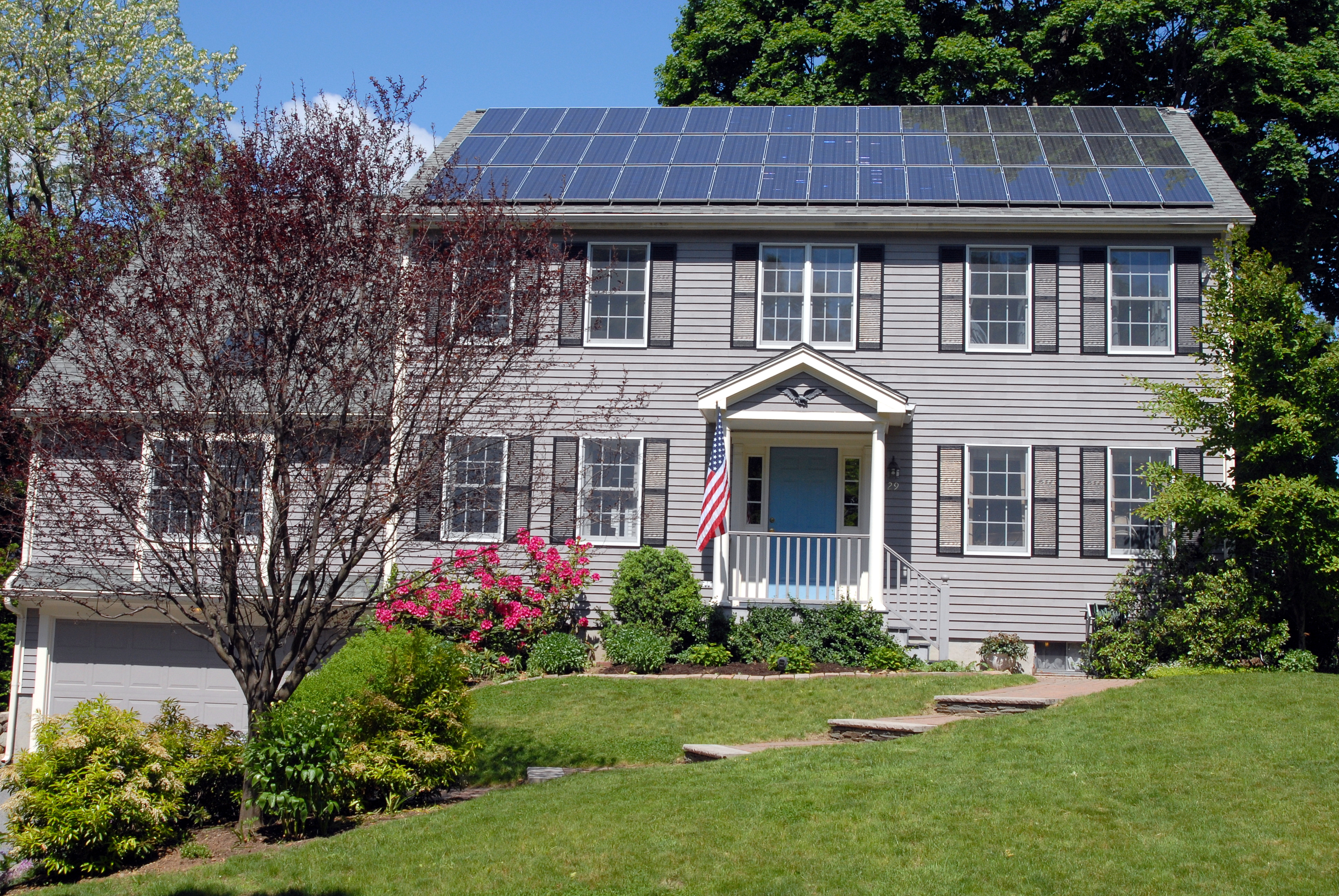
Solar panels installed on a residential roof

What This Site Covers

Installing solar panels on a Canadian home involves choices about panel technology, structural and orientation requirements, how the system connects to the utility grid, and which provincial or federal rebates apply. Each topic is covered in its own article below.

Panel Types

Monocrystalline, polycrystalline, and thin-film panels each suit different budgets, roof sizes, and shading conditions common across Canada.

Roof Orientation

South-facing slopes at 30–45° tilt deliver the highest annual yield at Canadian latitudes, though east/west splits can work on certain roof configurations.

Grid-Tie Options

Grid-tied systems feed surplus electricity back to the utility under net-metering rules that vary by province and utility territory.

📅

Provincial Incentives

British Columbia, Alberta, Ontario, and other provinces each offer distinct net-metering arrangements, rebates, and financing schemes for rooftop PV.

🏭

Federal Schemes

The Canada Greener Homes Grant and related federal initiatives have supported energy-efficiency upgrades including solar installations.

🔨

Installation Basics

Mounting hardware, inverter selection, and electrical permits differ across municipal jurisdictions; local electrical codes always take precedence.

In-Depth Articles

Three focused articles on the core decisions Canadian homeowners face when evaluating a rooftop solar installation.

Polycrystalline solar panel close-up
Panel Technology

Solar Panel Types for Canadian Homes

Monocrystalline panels offer higher efficiency in limited roof space; polycrystalline units carry lower upfront cost; thin-film suits curved or shaded surfaces. Each type performs differently under Canadian cold and variable-irradiance conditions.

Updated June 2026  ·  8 min read
Read article →
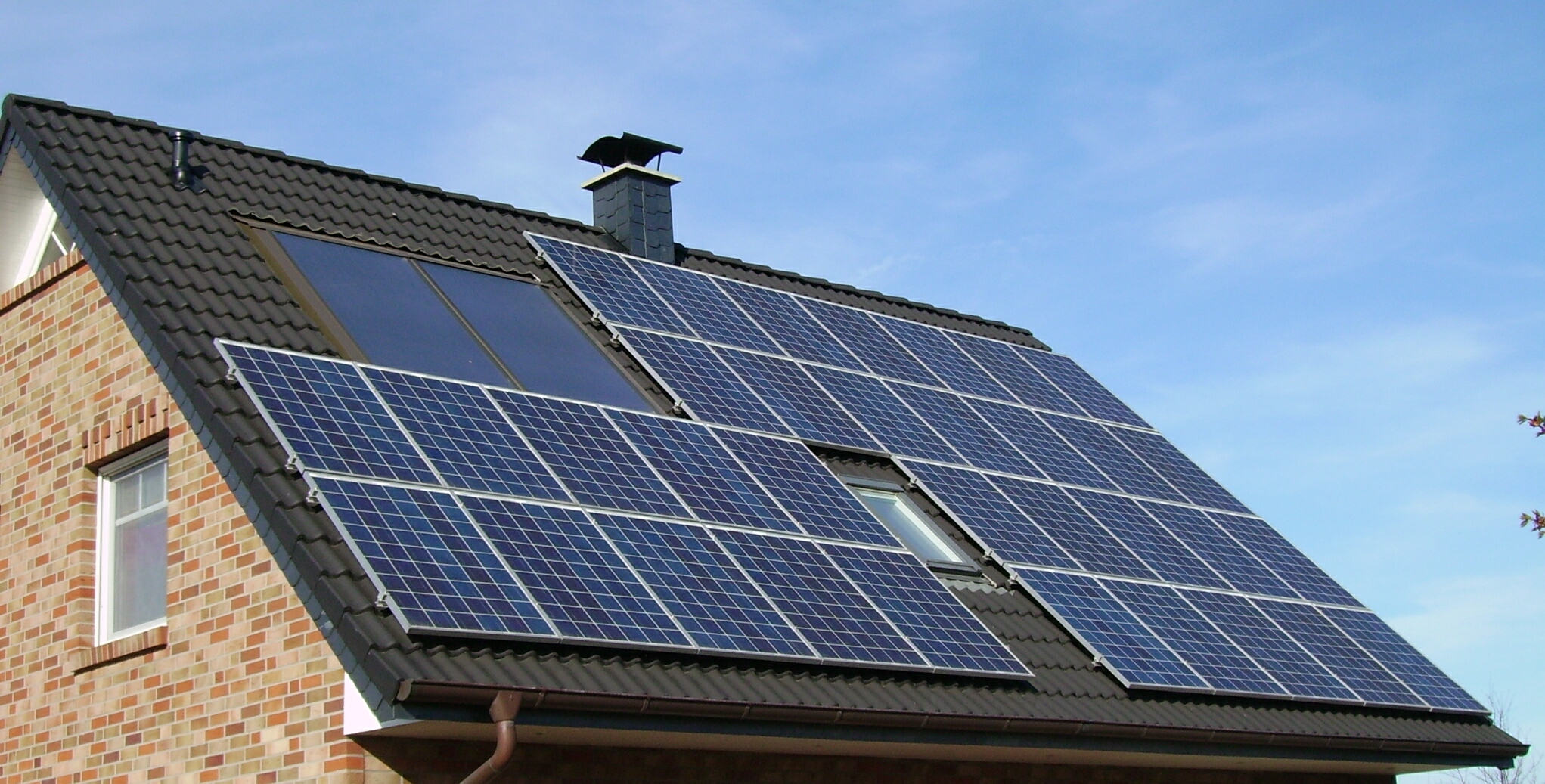
Solar panels mounted on a house roof
Installation

Roof Orientation and Tilt Angles for Solar Panels

Roof slope, compass direction, and shading from adjacent structures all affect annual energy output. This article outlines tilt angle tables for major Canadian cities and discusses common mounting configurations.

Updated June 2026  ·  7 min read
Read article →
Large rooftop photovoltaic installation
Incentives & Grid

Provincial Solar Incentive Schemes Across Canada

Net-metering rules, provincial rebates, and feed-in arrangements differ significantly between British Columbia, Alberta, Ontario, and the Maritime provinces. This article summarises current public information province by province.

Updated June 2026  ·  10 min read
Read article →

Solar in Canada at a Glance

Canada's large geographic area means solar potential varies considerably from the sunnier southern prairies to cloudier coastal regions.

Solar Irradiance by Region

Southern Alberta and Saskatchewan consistently receive the highest annual solar irradiance among Canadian provinces, making them well-suited for rooftop installations. Ontario and southern Quebec follow, while British Columbia's Interior performs differently from its rainy coast. The Atlantic provinces experience lower annual peak-sun hours on average.

The federal government publishes solar resource maps through Natural Resources Canada (NRCan) that allow homeowners and installers to look up estimated irradiance for a specific postal code.

Cold Climate Considerations

Photovoltaic cells operate more efficiently in cold temperatures than in heat, which partly compensates for shorter winter days in northern latitudes. Snow accumulation, however, can temporarily cover panels and reduce output, so roof pitch and mounting angle affect self-clearing performance.

Most monocrystalline panels carry temperature coefficients of around −0.3% to −0.4% per degree Celsius above 25 °C, meaning Canadian summers typically stay within an efficient operating range for the panel.

Send an Enquiry

For questions about the content on this site, corrections, or general enquiries related to residential solar topics in Canada, use the form below.

Email info@greenridgehome.org
Region Canada (all provinces)

This site contains general reference information only. It does not constitute professional engineering, financial, or legal advice. Consult a licensed electrical contractor and your provincial utility before proceeding with any solar installation.